


A Complete Guide to Load Bank Equipment for Generator Testing
Generators are crucial because they keep things running when the power goes out. However, just because a generator appears to be fine on paper does not mean it will function properly when you really need it. That is why testing generators is essential for any business that relies on backup power.
Load bank equipment provides a safe and controlled way to test generators by simulating real electrical demand. It does so without risking damage to your live systems.
![A Complete Guide to Load Bank Equipment for Generator Testing 1]()
How Load Banks Support Generator Testing?
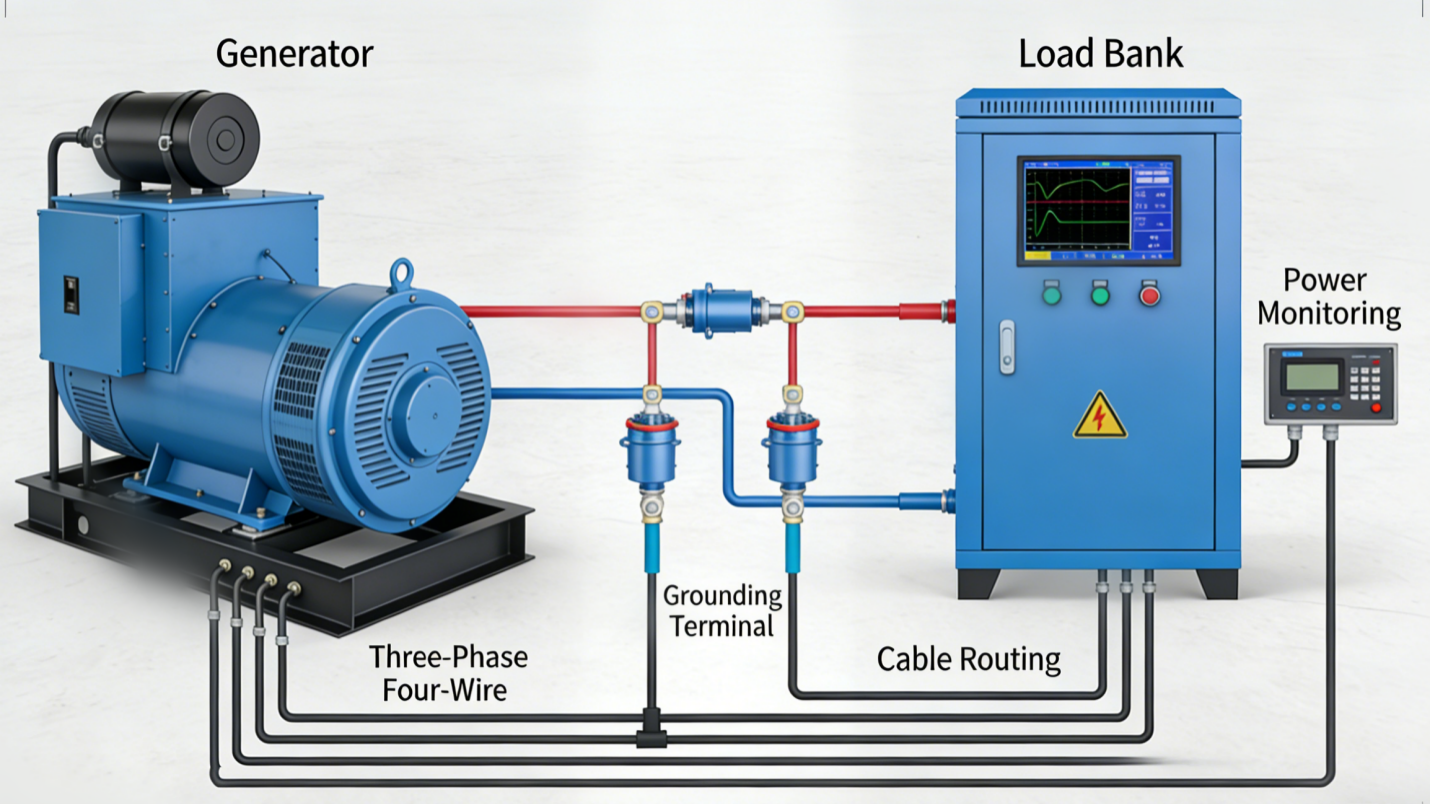
Generators are designed to operate under load, not simply run without producing much power. If you test a generator without a proper electrical load, many problems can stay hidden.
Various issues may not be apparent when the generator is not working at full capacity. These problems typically include unstable voltage, overheating, poor fuel burning, and control faults.
Avoid Risky Surprises When Using a Generator
Load bank equipment creates an artificial electrical load that simulates the generator's operation during a real power outage. This helps technicians check if the generator can deliver the correct power, remain stable, and respond properly.
This type of testing is crucial to prevent unexpected risks in critical facilities such as hospitals, data centers, factories, and office buildings.
Make Sure the Generator Works Properly When Needed
Testing your generator is the best way to make sure it will work properly when you need it most. Load testing allows you to verify whether the generator can operate at its full power without overheating or shutting down. It also helps test all parts of the system together to spot any weak points before a real emergency happens. Finding and fixing problems early means fewer surprises during a power outage.
Load Banks Offer a Better Way for Generator Testing
Sometimes, the building's own power use can be used as a load for testing. However, this can interrupt business when switching from utility power to generator power. Additionally, it does not allow you to gradually increase the load to observe and carefully record how the generator performs. That is why using a portable load bank is typically the most effective way to test a generator.
No-Load Test Runs Are Not Enough
Generators often run regular exercise cycles. However, these usually happen with little or no load.
- While it is good to check that the generator starts and runs during these exercises, it does not guarantee the generator can handle a real load when needed.
- Over time, generators can develop problems due to age, weather, pests, or other factors that affect their performance.
A well-maintained plan that includes load testing helps identify and resolve these issues early, ensuring your generator remains reliable.
Avoid Wet-Stacking in Diesel Generators
One common problem with diesel generators is called wet-stacking. This occurs when the engine runs too lightly, allowing fuel to build up, which negatively impacts performance. Many generators are not used at a high enough load to prevent this.
That is why it is essential to conduct a load test using a portable load bank for at least two hours annually. If it has been over a year since the last test, further testing may be necessary. Regular testing helps prevent wet stacking and keeps the generator running smoothly.
How Load Bank Testing Extends Generator Lifespan?
Regular load testing with a load bank can help your generator last longer and operate more efficiently. It keeps important engine components, such as turbochargers and exhaust valves, functioning properly. It also improves performance and even reduces pollution. This happens because proper loading keeps the engine at the right temperature and prevents harmful carbon buildup.
Carbon Deposit Prevention
Load bank testing prevents carbon deposits. Diesel engines running at low power don't generate enough heat to burn off fuel residue inside. Load testing heats the engine to the right temperature, naturally cleaning it from the inside.
Turbocharger Maintenance
Turbochargers are delicate parts. They also do better with regular load tests. They require the right heat and pressure to remain sealed and prevent damage. Running the generator lightly can cause these parts to wear out faster.
Cooling System Verification
Load testing also verifies that the cooling system is functioning properly. Radiators, fans, and coolant flow can’t be fully tested when the engine is not under load. Load testing helps find cooling problems before they cause damage.
Fuel System Optimization
Fuel systems also benefit from load bank testing. Fuel flows at a higher rate when the engine is running under load. This makes it easier to spot issues, such as clogged filters or injection problems, that may not be apparent at low loads.
Most engine manufacturers recommend regular load testing as part of their maintenance regimen. Doing this can even help keep your warranty valid and ensure your generator performs its best for a long time.
Steps to Using Load Bank Equipment for Generator Testing
Before starting a load test, it is essential to follow a clear checklist to ensure everyone's safety and prevent total power outages during the test. The person doing the test should wear proper safety gear.
Load testing is not too complicated, but it does require some know-how. Here is how the test usually goes:
Check Fluids
First, ensure the fuel tank is full and the oil level is correct. If the generator uses water cooling, also check the radiator or coolant level.
Start the Generator
Turn on the generator and let it warm up until the water temperature stays steady. The technician listens and watches closely for any unusual sounds or problems. If an issue appears, the test is halted until the problem is resolved.
Apply the Load
The technician connects the load bank step-by-step, starting with big 200-volt loads and then adding smaller 110-volt loads. They keep adding load until about half of the load is on each leg of the system.
Measure Voltage and Current
Next, the technician checks the amperage on each leg with a meter.
For a 110/220-volt single-phase generator, the voltage on each leg should be between 105 and 125 volts. The current should be about half the rated wattage divided by the voltage.
For a generator below 105 volts: If the voltage drops below 105 volts on any leg at full load, a problem exists, and the test fails.
Monitor the Generator
During the test, the technician keeps a close eye and ear on the generator, listening for unusual noises and checking the output. If any issue arises, the test stops to prevent damage. Repairs are made before the test is started again from the beginning.
Cool Down
Finally, the load is slowly removed, and the generator runs under a light load for approximately an hour. All loads are taken off 5 to 10 minutes before shutting down the generator.
FAQs
The time required for running a load bank test depends on the size of the generator and the standards being followed. Typically, tests last anywhere from 30 minutes to several hours, with the generator operating at various power levels.
Can Load Bank Equipment Damage a Generator?
If used correctly, load bank equipment will not damage your generator. Instead, it helps identify problems early and ensures the generator works properly.
Do Regulations require Load Bank Testing?
Many industries and insurance companies recommend or require load bank testing as part of regular maintenance and to comply with safety regulations.
Conclusion (H2)
Load banks are important tools for testing generators safely and accurately. They help businesses ensure their generators are reliable, identify hidden problems early, and protect critical operations from power failures.
Load bank equipment helps generators perform better and last longer. Working with an experienced load bank manufacturer can make testing easier. It will also give you more confidence that your power system will work when you need it most.
