


When Should You Use Liquid Cooled Load Banks?
Load testing is very important to keep power systems reliable. This is especially in places where any downtime is not an option. Many businesses look beyond traditional air-cooled load banks and consider liquid cooled ones as testing becomes more demanding. These are designed for situations where space is tight, noise needs to be low, and heat must be carefully managed just as much as getting accurate test results.
Liquid cooled load banks are not always the first choice. However, they offer clear benefits over air-cooled systems in the right situations. Knowing when to use them helps facility managers, engineers, and purchasing teams make smarter decisions for the future. This article explains when liquid cooled load banks are the best fit, how they support your testing needs, and what to think about before choosing one.
![When Should You Use Liquid Cooled Load Banks? 1]()
An Insight Into Using Liquid Cooled Load Banks
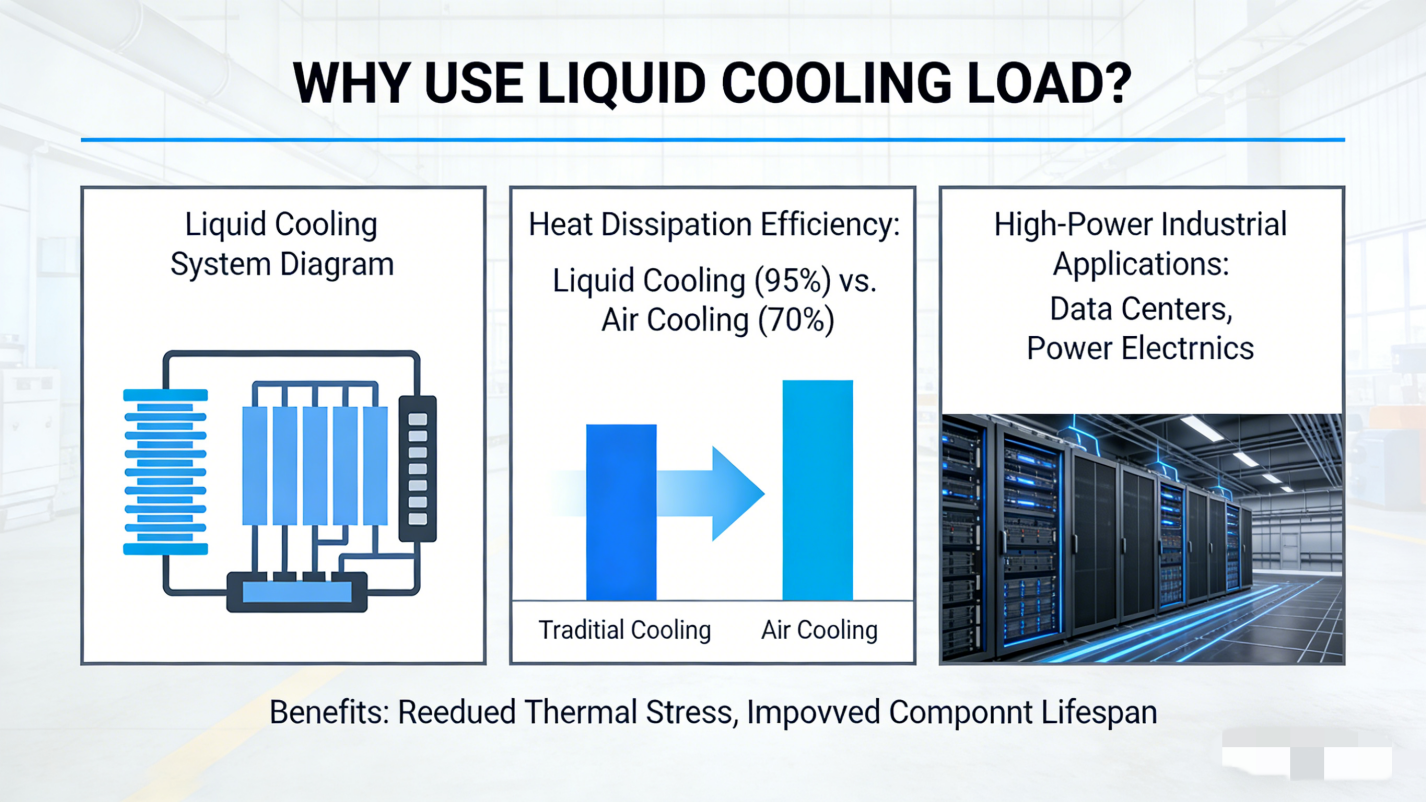
Many modern data centers are switching to liquid-cooled servers because they handle the heat from powerful, tightly packed equipment better. This change means liquid-cooled load banks are now needed during setup to simulate real working conditions more accurately. Here's why:
Matching the Real Cooling Process
Liquid-cooled servers use liquid to absorb and carry away heat, which is very different from air cooling. Air-cooled load banks use fans to blow heat into the air. It does not match how liquid cooling works.
Using liquid-cooled load banks during testing helps copy the actual cooling system in the data center. This way, all parts like cooling loops, pumps, and heat exchangers are tested just like they will work for real.
How Heat Moves and Spreads?
Liquid-cooled systems move heat away more efficiently and in a concentrated way. So, they can fit more power into smaller spaces. Air-cooled load banks spread heat unevenly and need more space. It does not give a true picture of how the system handles heat.
Liquid-cooled load banks show how heat moves away from hot spots. It will be helping to check if the cooling setup can handle the needs of the data center when it is running.
Testing Cooling Strength and Heat Transfer
When setting up a liquid-cooled data center, it is important to test how well heat exchangers, cooling loops, and other parts work. Liquid-cooled load banks produce heat just like actual servers. So, they give an accurate test of the power of cooling system.
This helps to make sure pumps, pipes, liquids, and heat exchangers can remove heat properly during real use. Air-cooled load banks don’t work the same way with these parts. So, their test results aren’t as useful for liquid-cooled data centers.
When Should You Use Liquid Cooled Load Bank?
Using liquid-cooled load banks helps businesses to test and prepare their cooling systems to work exactly as needed. It helps in ensuring smooth and reliable operation once everything is up and running. However, it is important for businesses to know when they should choose liquid cooled load bank over other options.
Any liquid cooled load banks manufacturer rates it as a smart, quiet, and space-saving solution for indoor and high-capacity power testing needs.
When Better Heat Control Is Needed
Some testing areas cannot handle a lot of hot air being blown around. In many facilities, releasing heat into the room is not safe or practical.
- Liquid cooled load banks solve this by moving heat away using a closed-loop cooling system. So, the room does not get hotter during testing. This way of managing heat is especially helpful indoors, in mechanical rooms, or places with poor ventilation.
- Liquid cooled load banks send heat into a cooling liquid, often connected to existing cooling systems, instead of relying on big fans and airflow. This makes them perfect for controlled spaces where keeping the temperature steady is important.
Using Liquid Cooled Load Banks for Indoor Testing
Testing power systems indoors comes with challenges that outdoor setups don't usually face.
- Enhanced Safety: Things like airflow, noise restrictions, and safety rules are tighter inside a building. Liquid cooled load banks help solve these problems by keeping the hot air inside a closed cooling system instead of blowing it into the room.
- No Special Ventilation Required: You don't need extra ducts or special ventilation because they don't release large amounts of hot air. This makes liquid cooled load banks a smart choice for places like data halls, generator rooms, and other technical spaces where air movement is already controlled.
If changing the layout of a building is not an option, liquid cooled systems are often the best or only practical solution.
When Noise Limits Make Air Cooled Load Banks Hard to Use
Noise is a big concern for many facilities. Air cooled load banks use strong fans to blow heat away. It can be quite loud. This noise can be a problem in hospitals, offices, or city buildings with strict sound rules.
- Liquid cooled load banks are much quieter because they use liquid to move heat instead of fans pushing air around.
- This quieter operation means testing can happen during normal work hours without disturbing employees or nearby activities.
Quieter load banks are a huge advantage for places that can't stop or move their testing.
Handling Big Tests Without Taking Up Too Much Space
As power systems get bigger, testing needs grow too. Large generators and backup systems need load banks that can handle high power. Air cooled load banks that do this often become very large because they need lots of space for airflow and fans.
Liquid cooled load banks can handle high power in a smaller package. Since they move heat through liquid, they don’t need as much room for fans, ducts, or clearance. This makes them perfect for places where space is tight or equipment is packed closely together.
When Long or Continuous Testing Is Needed
Sometimes tests run for a long time instead of just a quick check. Long tests put steady heat into the area, which can be too much for air-cooled systems to handle.
- Liquid cooled load banks handle this better by moving heat away continuously. This keeps things stable and lets testing go on longer without breaks.
- Facilities that need endurance testing or detailed system checks often prefer liquid cooled load banks for this reason.
Mobile Testing Teams Often Pick Liquid Cooled Load Banks
Temporary testing, like setting up new sites or checking backup systems at different locations, needs flexible equipment. Air cooled load banks work outdoors but can be tricky indoors or in mixed spaces.
Liquid cooled load banks offer more flexibility because they can be used indoors or outdoors without major changes. For teams moving between different sites, this makes setup faster and planning easier.
How Liquid Cooled Load Banks Fit Into Data Center Operations?
Data centers have strict rules about temperature, uptime, and safety. Adding extra heat or changing airflow can harm sensitive IT equipment or mess up cooling systems.
- Smooth working with existing setup: Liquid cooled load banks fit well here because they work smoothly with the data center's existing cooling setup.
- Enhanced safety for data center equipment: They let you test generators without changing the airflow or making the room hotter. This way, servers and network gear stay safe while testing happens.
Liquid cooled load banks are a reliable choice for the long run for data centers that test often or do regular checks.
FAQs
When liquid cooled load banks are better than air cooled ones?
Liquid cooled load banks work best indoors, in places where noise needs to be low, or where there isn’t much ventilation. They keep heat contained without blowing hot air into the room.
Can liquid cooled load banks be used outdoors?
Yes, they can be used outside too. But their biggest benefits show up in places where air cooling is hard or limited.
Do liquid cooled load banks need special cooling systems?
Usually, they connect to existing cooling setups like chillers or heat exchangers. It is important to check this during planning.
Conclusion
Liquid cooled load banks are a great choice when you need to control heat, noise, and space carefully. They work especially well indoors in places like data centers, hospitals, and rooms with little ventilation. Because they move heat using liquid instead of blowing hot air around, testing can happen smoothly without disturbing nearby equipment or creating safety issues.
