


Load Bank Test for Generator
In the field of electricity, as an important power supply equipment, the stability and reliability of the performance of the generator are crucial. Generator load testing is a key step in evaluating generator performance, which can effectively ensure its good performance in actual operation.
At we firmly believe in 'quality first' and have established a strict internal quality control system.
Load Bank Test for Generator
Generator Load Testing: A Key Link in Ensuring Power Supply
In the field of electricity, as an important power supply equipment, the stability and reliability of the performance of the generator are crucial. Generator load testing is a key step in evaluating generator performance, which can effectively ensure its good performance in actual operation.
The purpose of generator load testing is to comprehensively verify the output capacity, voltage stability, frequency stability, and whether various operating parameters of the generator meet the design standards and actual requirements under different load conditions.
During the testing process, it is first necessary to determine a reasonable load range and loading steps based on the specifications and expected usage scenarios of the generator. Usually, it will gradually increase from low load to full load, and even a certain degree of overload testing can be conducted to examine the ultimate performance of the generator and the effectiveness of the protection mechanism.
For example, in a backup generator load test at a factory, technicians gradually increase the load and closely monitor the output voltage and frequency of the generator. When the load reached 70%, slight voltage fluctuations were found. After careful investigation, it was found that there was a small fault in the automatic voltage regulation system of the generator. After timely repair and retesting, the generator can maintain stable voltage and frequency output even under full load.
In addition, in the load test of a large commercial building's generator, the generator is required to bear all the load by simulating a power outage. During the testing process, not only was the normal operation capability of the generator verified, but also deficiencies in its cooling system were detected. By optimizing the heat dissipation duct and increasing the fan speed, the potential overheating problem has been effectively solved.
Generator load testing can not only identify potential faults and performance defects, but also provide important basis for equipment maintenance and upkeep. By analyzing test data, a reasonable maintenance plan can be formulated to extend the service life of the generator and improve its operational efficiency.
When conducting generator load testing, it is necessary to strictly follow the relevant safety operating procedures to ensure the safety of testing personnel and equipment. At the same time, it is necessary to select load testing equipment with high accuracy and stable performance, and have professional technical personnel perform operations and data analysis.
In short, generator load testing is an important means to ensure the reliability of power supply and plays an irreplaceable role in ensuring that the generator can operate normally at critical moments.
Generator Load Test Operation Guide
1, Preparation before testing
1. Familiar with the technical specifications and operation manual of the generator, including rated power, voltage, frequency, current and other parameters.
2. Check the load testing equipment to ensure that it functions properly, meets the accuracy requirements, and the connecting cables are intact and undamaged.
3. Prepare necessary tools such as a multimeter, insulation tester, wrench, etc.
4. Ensure the safety of the testing site, good ventilation, no flammable or explosive materials, and set up obvious warning signs.
2, Equipment installation and connection
1. Place the load testing equipment in a stable position and secure it to prevent movement during the testing process.
2. Use appropriate cables to connect the output end of the generator to the input end of the load testing equipment, ensuring a secure connection, good contact, and correct polarity.
3, Test parameter settings
1. Set the loading step and loading time of the load testing equipment based on the rated power of the generator and the expected testing requirements.
2. Determine the load range for testing, usually starting from low load and gradually increasing to full load or even moderate overload.
4, Testing process operations
1. Start the generator and let it run under no load for a period of time. Check if all parameters are normal, such as voltage, frequency, oil temperature, water temperature, etc.
2. Start gradually loading and increase the load according to the preset step size and time. At each loading stage, observe and record the output voltage, frequency, current, power factor, and other parameters of the generator.
3. Pay attention to monitoring the generator for any abnormal sounds, vibrations, or odors.
4. Continuously monitor the operating temperature of the generator, including winding temperature, bearing temperature, etc., to ensure that it does not exceed the allowable limits.
5, Data recording and analysis
During the testing process, record in detail the various parameters and corresponding times for each load stage.
2. Analyze the recorded data, check whether the stability of voltage and frequency is within the specified range, and whether the power factor is normal.
3. Observe the performance trend of the generator under different loads to determine whether it can meet actual usage needs.
6, Test completed
1. Gradually reduce the load until the generator runs without load for a period of time.
2. Turn off the generator, remove the connecting cables, and organize the testing equipment and tools.
7, Safety precautions
1. Testers should have relevant electrical knowledge and operational experience, and wear necessary personal protective equipment.
2. It is strictly prohibited to connect or disassemble the generator during operation.
3. The load testing equipment should be reliably grounded to prevent electric shock accidents.
If any abnormal situation is found, the testing should be stopped immediately and corresponding safety measures should be taken.
Following the above operation guidelines can effectively conduct generator load testing to ensure the performance and reliability of the generator.
Recommended products
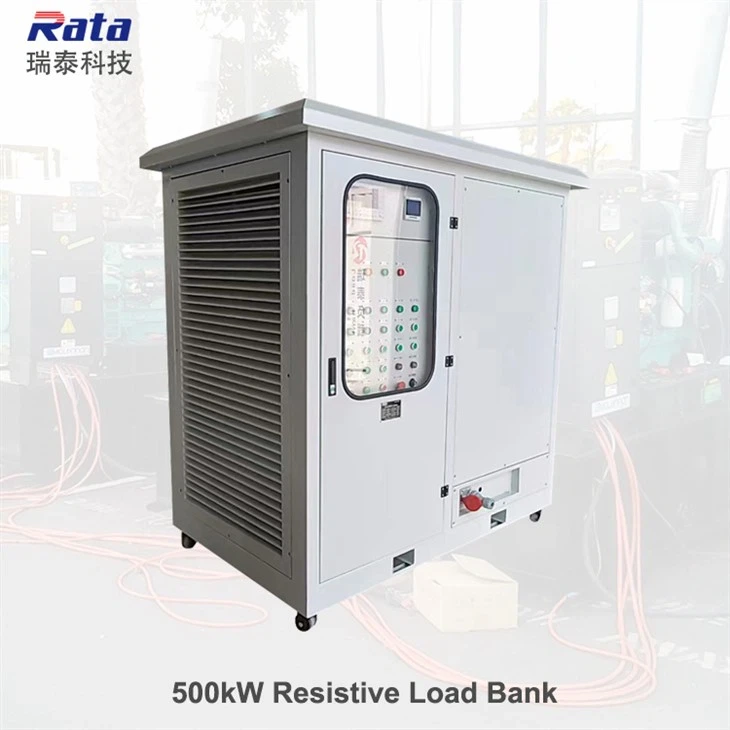
Resistive Load Bank for Generator Load Test
Rata supplied 10kW~7000kW resistive load bank,with local panel switching control and remote PC automatical control. Indoor and outdoor design.
Resistive Inductive Load Bank for Generator Load Test
Rata supplied 5kVA~7000kVA resistive inductive load bank,with local panel switching control and remote PC automatical control. Indoor and outdoor design. Widely used for marine,gride station,power station island testing and others.
has formed a business model of 'products work for service and service work for customers'.